Are Disconnected Systems Costing Your Business? The Case for an Integrated Hub

In today's fast-paced corporate environment, businesses rely on a complex ecosystem of software: CRM for sales, ERP for finance, project management tools, communication platforms, and more. While each system is powerful on its own, their lack of integration often creates a significant problem: a siloed organization.
Data is stuck in different departments, workflows are manual and inefficient, and visibility is limited. If this sounds familiar, your business could be suffering from a problem that a centralized hub system is designed to solve.
The Hidden Costs of Disconnected Systems
- Inefficiency & Wasted Time: Employees spend countless hours manually transferring data between systems, copying information from an ERP to a spreadsheet, or entering sales data into both the CRM and the project management tool. This is a massive drain on productivity.
- Poor Data Quality: Manual data entry leads to human error. Inaccurate or outdated data in one system can ripple through the entire organization, leading to flawed reports, poor decision-making, and frustrated customers.
- Lack of Visibility: When information is scattered across multiple platforms, a comprehensive, real-time view of your business is impossible. Sales might not see a customer's support history, and finance might not have a full picture of project costs.
- Frustrated Customers: A customer who has to repeat their information to every department they interact with (sales, support, billing) is a frustrated customer. Disconnected systems create a disjointed and impersonal customer experience.
The Solution: A Custom-Built Corporate Hub System
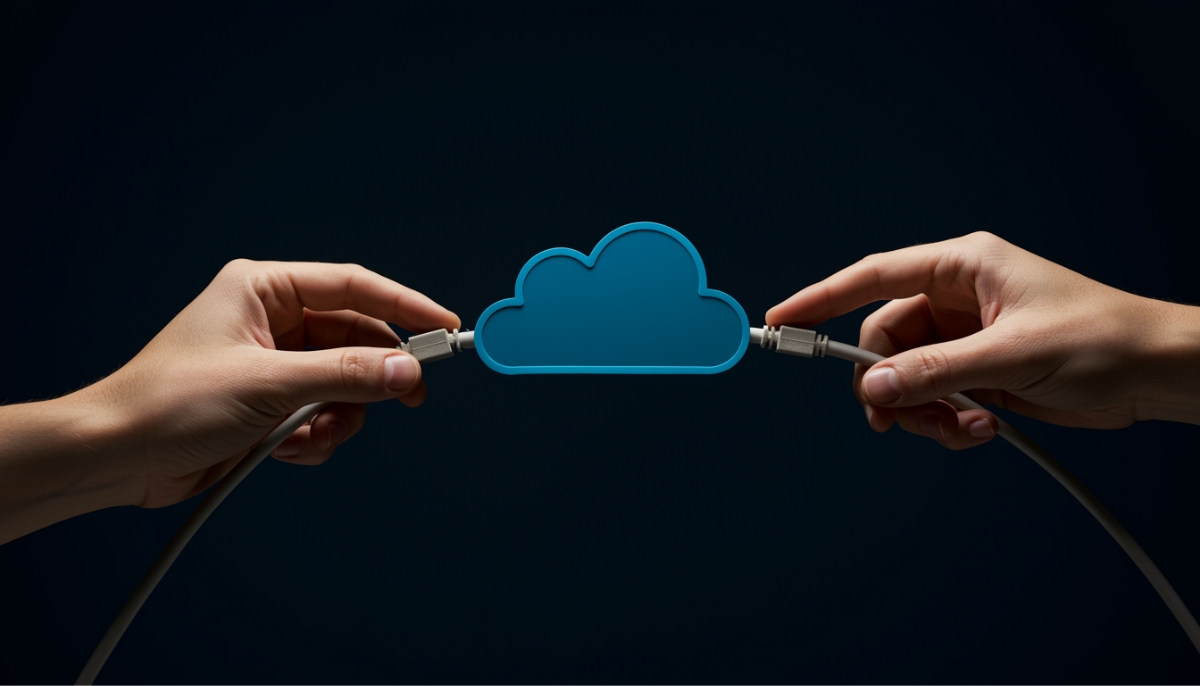
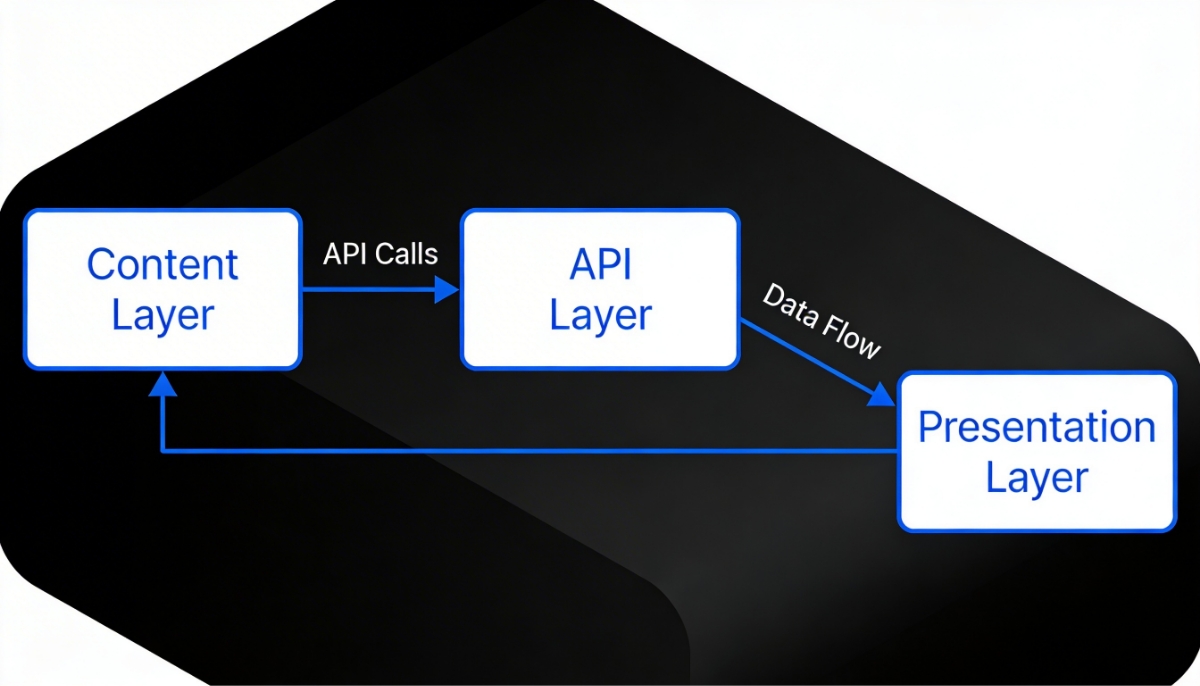
A custom-built corporate hub system acts as the central nervous system of your business. It's a single, integrated platform that connects all your disparate software applications, pulling data from each and providing a unified source of truth.
How a Hub System Solves Your Problems:
- Automated Workflows: The hub system automates the flow of information between your systems. When a sale is made in the CRM, the hub automatically creates a new project in your project management tool and notifies the billing department. This eliminates manual tasks and speeds up your entire operation.
- Centralized Data: By connecting all your data sources, the hub provides a single, real-time view of your business. The sales team can see project progress, and the project team can see customer support requests—all in one place.
- Actionable Insights: With all your data in one place, you can generate powerful reports and analytics that were previously impossible. You can track a project from lead generation to final payment, identify bottlenecks, and make data-driven decisions.
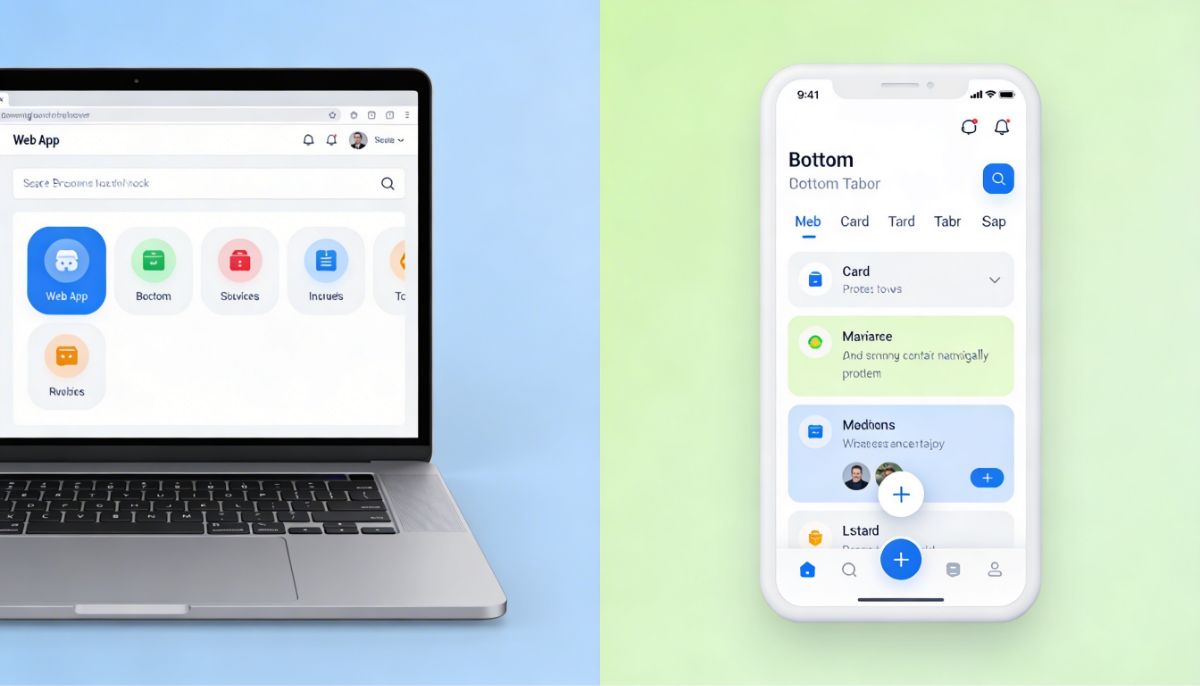
- Enhanced User Experience: Employees no longer need to switch between dozens of apps. They can access everything they need from a single, intuitive interface, leading to increased productivity and job satisfaction.
Why Custom is Key
Off-the-shelf solutions can't always connect to every unique system a corporation uses. A custom hub system is built to your exact specifications, integrating with your existing legacy software and third-party tools, no matter how specialized they are. It’s an investment in a tailored solution that addresses your unique challenges and provides a competitive advantage.
At [Your Company Name], we specialize in developing these powerful hub systems. We work closely with our clients to understand their workflows and business challenges, designing and building a centralized solution that streamlines operations, boosts productivity, and provides a clear path to growth.

Leave a Comment
No comments yet
Be the first to share your thoughts on this post