
Headless CMS vs. Traditional CMS: Why Decoupling Your Content is the Future
 IT-RAYS
- 20/08/2025
- Comments: 0
- Categories:
For years, the word "CMS" (Content Management System) was synonymous with monolithic platforms like WordPress or Drupal. These systems tightly couple the back-end (where content is stored and managed) with the front-end (the user-facing website). While this all-in-one approach offers simplicity for basic sites, it often becomes a bottleneck for modern, dynamic applications.
Enter the headless CMS—a revolutionary architecture that decouples content from its presentation. This shift is not just a trend; it's the future of content delivery. At [Your Company Name], we leverage headless CMS solutions to build powerful, flexible, and future-proof digital experiences for our clients.
What is a Headless CMS?
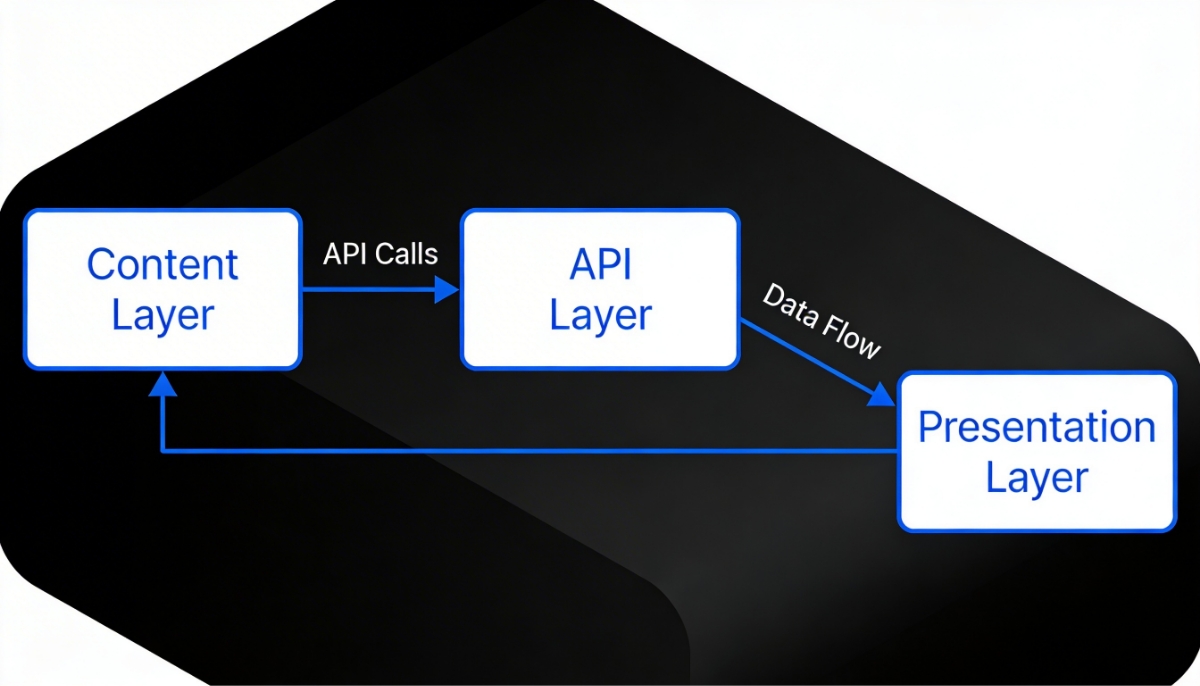
Imagine a traditional CMS as a single, connected entity—a "head" (the front-end) attached to a "body" (the back-end). A headless CMS, as the name suggests, has no pre-built front-end. Instead, it provides a powerful back-end for content creators and delivers content through an API (Application Programming Interface).
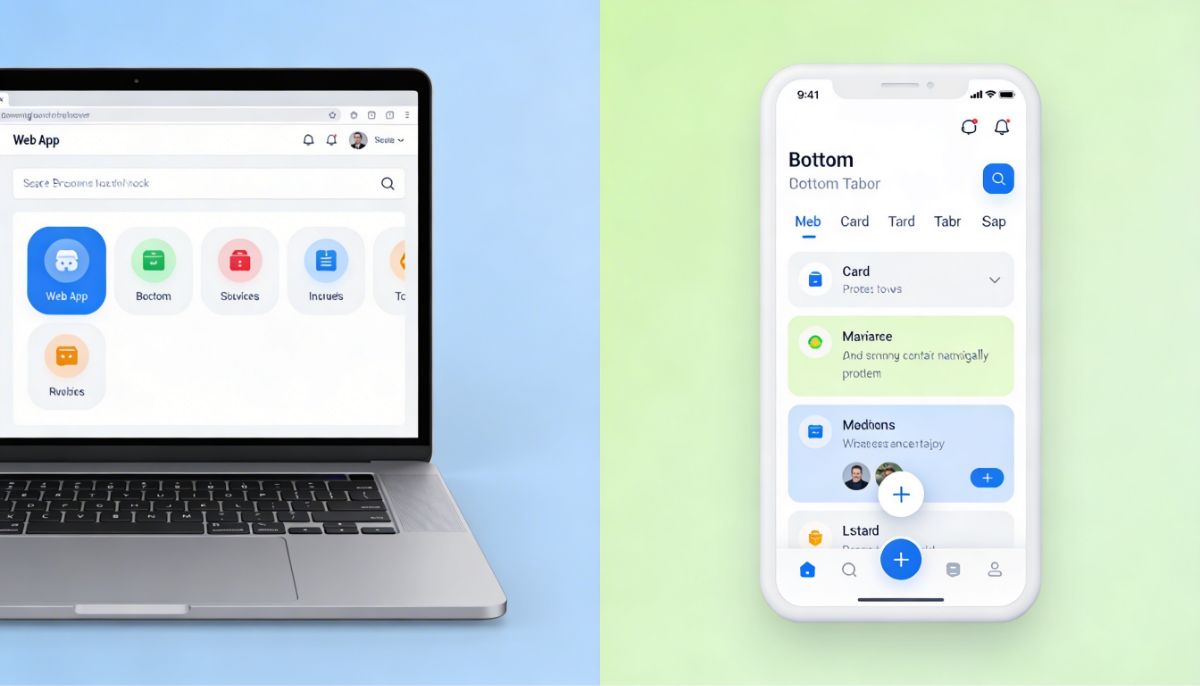
This means your content is pure and raw, ready to be displayed on any device: a website, a mobile app, a smartwatch, a smart speaker, or an IoT device.
The Core Advantages of a Headless CMS
- Unmatched Flexibility and Freedom: With a headless CMS, you are no longer locked into a specific framework or technology stack. Your developers can use their preferred tools—like Next.js for your web app or React Native for your mobile app—to build a completely custom front-end. This freedom allows for more innovative designs, tailored user experiences, and faster development cycles.
- Superior Performance: Traditional CMSs often struggle with performance as they have to render pages on the server for every request. A headless CMS, combined with modern front-end frameworks, allows for static site generation (SSG). This means your content is pre-rendered into static HTML files and served instantly from a global CDN, resulting in blazing-fast load times.
- Seamless Omnichannel Delivery: In a multi-device world, a single website is no longer enough. With a headless CMS, you create your content once and can deliver it across multiple channels simultaneously. A single API call can populate your website, mobile app, and even a digital kiosk in a retail store, ensuring a consistent brand message everywhere.
- Enhanced Security: Since the front-end and back-end are separate, a headless CMS is inherently more secure. There are no direct connections to the database from the public-facing website, which significantly reduces the risk of malicious attacks.
- Simplified Maintenance: With a decoupled architecture, you can update your front-end (e.g., a website redesign) without affecting the back-end content. This simplifies maintenance, reduces the risk of breaking changes, and allows for continuous iteration.
Our Approach
We specialize in building powerful applications using frameworks like Next.js and Laravel. By integrating these tools with a headless CMS, we can offer the best of both worlds: a robust, secure, and scalable back-end for your content, and a lightning-fast, highly customized front-end for your users.
If you are a business looking to scale, innovate, and future-proof your digital presence, a headless CMS is the ideal solution. It empowers your marketing team with a modern content management experience while giving your development team the freedom to build a truly exceptional product.

Leave a Comment
No comments yet
Be the first to share your thoughts on this post