Top 5 Technology Trends Shaping Web & Mobile Development in 2025
The world of software development is in a constant state of evolution. New technologies, tools, and methodologies emerge every year, promising faster performance, better user experiences, and more efficient workflows. As a business owner or product manager, staying ahead of these trends is crucial for maintaining a competitive edge.
At [Your Company Name], we keep our finger on the pulse of the industry to ensure the solutions we build for our clients are modern, scalable, and future-proof. Here are the top five technology trends we believe are defining web and mobile development in 2025.
1. The Rise of AI and Machine Learning
AI is no longer a futuristic concept; it's a practical tool in the developer's arsenal. From intelligent chatbots and personalized user experiences to AI-powered code generation and automated testing, machine learning is streamlining the development process and creating smarter applications.
- For Web Apps: AI can be used to personalize content recommendations on an e-commerce site, provide real-time language translation, or optimize user interfaces based on behavior.
- For Mobile Apps: Think of personalized fitness apps that adjust workout plans, smart assistants that understand natural language, or image recognition features that can identify objects in a photo.
2. The Move to Serverless and Headless Architecture
Developers are moving away from monolithic applications towards more modular and flexible architectures. Serverless and headless are two key trends in this shift.
- Serverless: This architecture allows developers to build and run applications without managing servers. Services like AWS Lambda and Google Cloud Functions handle the infrastructure, meaning we can focus on writing code. The benefits are significant: reduced operational costs, improved scalability, and faster deployment cycles.
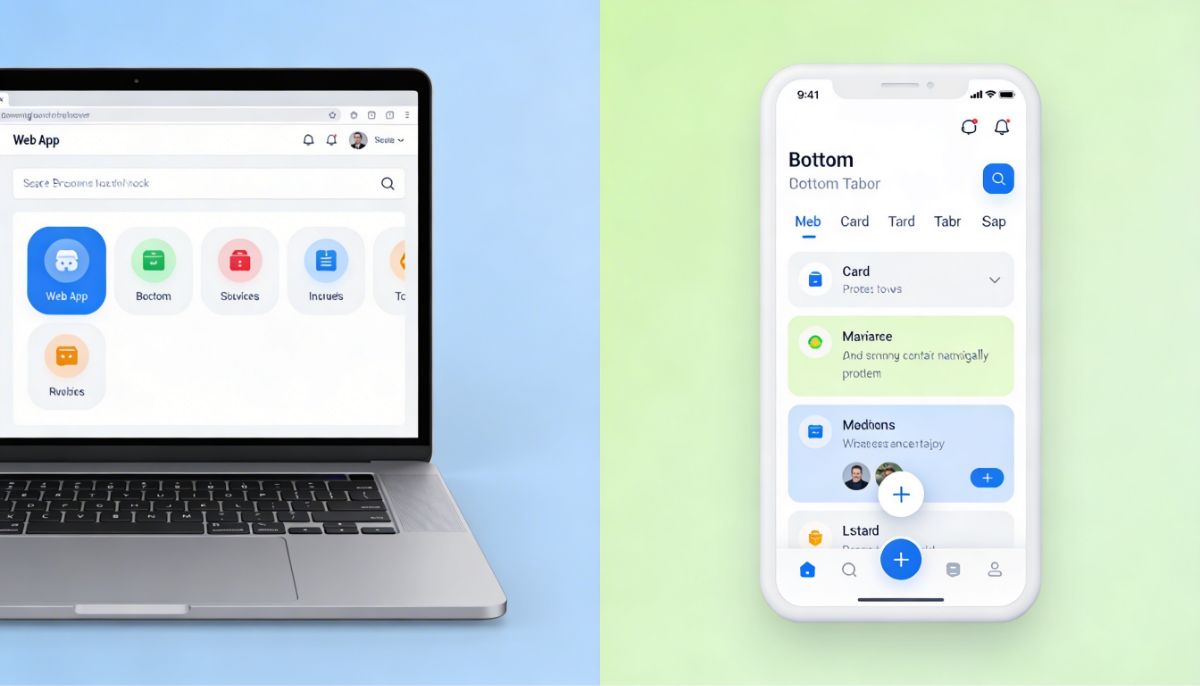
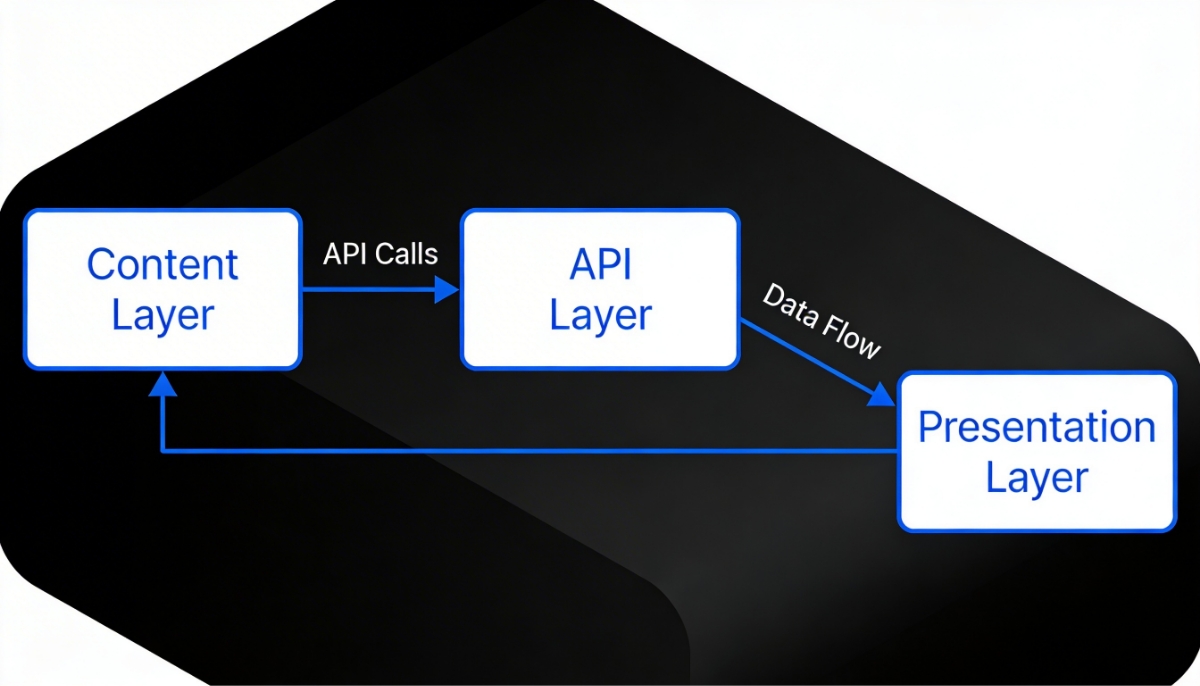
- Headless: In a headless setup, the front-end (the "head" or user interface) is decoupled from the back-end (the data and logic). This approach offers immense flexibility. For example, a single back-end can serve content to a web app, a mobile app, and a smartwatch app simultaneously, all built with different front-end frameworks.
3. Cross-Platform Development for Speed and Efficiency
The debate between native and cross-platform development is evolving. While native apps still offer the highest performance, cross-platform frameworks like React Native are closing the gap, providing a near-native experience with the efficiency of a single codebase.
- The Benefit: By writing a single codebase that can be deployed on both iOS and Android, businesses can significantly reduce development time and cost. This is a game-changer for startups and enterprises that need to reach a broad audience quickly without compromising on quality.
- Our Specialization: Our expertise in ReactJS extends to React Native, allowing us to build powerful, cross-platform mobile apps that deliver on both performance and user experience.
4. The Adoption of Progressive Web Apps (PWAs)
PWAs blur the line between a website and a mobile app. They are web applications that use modern browser APIs to deliver app-like experiences, including offline functionality, push notifications, and fast loading times.
- Why PWAs Matter: They eliminate the friction of an app store download. A user can simply visit your website, and a prompt will appear to "install" the app on their home screen. This provides the best of both worlds: the accessibility of the web with the engagement of a mobile app.
- Ideal Use Cases: PWAs are perfect for content-heavy sites, e-commerce platforms, and news outlets that want to provide a fast and reliable experience for their users on any device.
5. Enhanced Focus on Security and Data Privacy
With increasing cyber threats and stricter regulations (like GDPR and CCPA), security is no longer an afterthought. It's a fundamental part of the development process.
- Our Approach: We implement security best practices from day one, including advanced encryption protocols, secure authentication methods, and regular security audits. This ensures that the applications we build protect user data and comply with global privacy regulations, building trust and safeguarding your business.
By embracing these trends, we help our clients build digital products that are not only innovative and powerful today but are also poised for success in the future.


Leave a Comment
No comments yet
Be the first to share your thoughts on this post