
رحلة التحول إلى الحوسبة بلا خوادم: لماذا يجب على شركتك التفكير في نموذج "الوظيفة كخدمة"
 IT-RAYS
- 28/07/2026
- التعليقات: 0
- التصنيفات:
لعقود طويلة، كان بناء تطبيقات الويب يعني إدارة الخوادم - توفير الأجهزة، وتكوين أنظمة التشغيل، والمراقبة المستمرة للموارد. هذا النموذج التقليدي، رغم فعاليته، ينطوي على تكاليف إضافية كبيرة وقد يُعيق الابتكار.
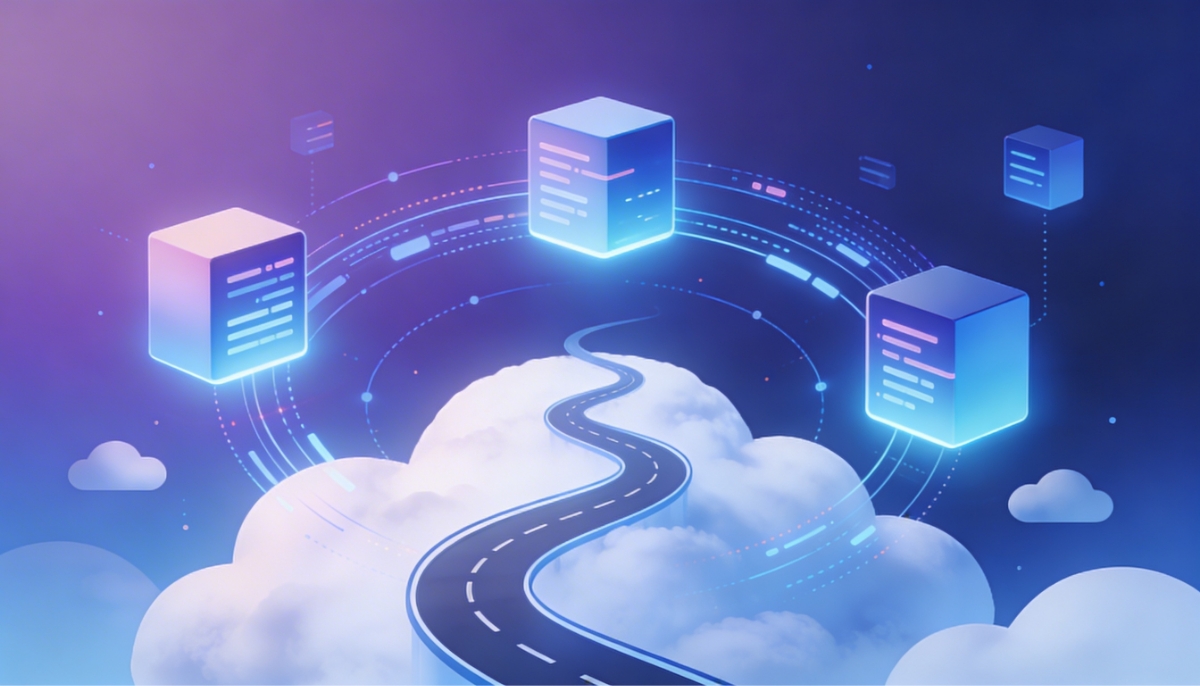
يمثل تصميم التطبيقات بدون خوادم، وتحديدًا نموذج "الوظائف كخدمة" (FaaS)، نقلة نوعية في كيفية بناء التطبيقات ونشرها. إنه نموذج حوسبة سحابية حيث يتولى مزود الخدمة السحابية إدارة الخوادم، مما يسمح للمطورين بالتركيز كليًا على كتابة التعليمات البرمجية. في [اسم شركتك]، نرى أن FaaS تقنية أساسية لبناء تطبيقات قابلة للتوسع بدرجة كبيرة، وفعالة من حيث التكلفة، ومرنة.
ما هو تصميم التطبيقات بدون خوادم و FaaS؟
مصطلح "بدون خوادم" قد يكون مضللًا بعض الشيء - فلا تزال هناك خوادم - لكن الفكرة الأساسية هي أنك، كمطور، لست مضطرًا لإدارتها. بدلًا من ذلك، تقوم بنشر وظائف فردية يتم تشغيلها بواسطة أحداث معينة (مثل طلب HTTP، أو تحميل ملف، أو تحديث قاعدة بيانات).
يمثل تصميم التطبيقات بدون خوادم نقلة نوعية في كيفية بناء التطبيقات بدون خوادم. خدمة الوظائف كخدمة (FaaS): هذا هو جوهر الحوسبة بلا خوادم. تقوم بتحميل جزء من التعليمات البرمجية (وظيفة)، ويتولى مزود الخدمة السحابية (مثل AWS Lambda أو Google Cloud Functions) كل شيء آخر: توفير الموارد اللازمة، وتشغيل التعليمات البرمجية، وتوسيع نطاقها لتلبية الطلب.
الدفع حسب الاستخدام: الميزة المالية الأبرز للحوسبة بلا خوادم هي نموذج التسعير. أنت تدفع فقط مقابل وقت الحوسبة الذي تستخدمه وظائفك، وصولاً إلى أجزاء من الألف من الثانية. إذا كان تطبيقك يشهد فترات انخفاض في حركة المرور، فلن تدفع شيئًا تقريبًا. هذا تحسن هائل مقارنةً بالدفع مقابل خادم يبقى خاملاً لساعات.
الفوائد التجارية للحوسبة بلا خوادم
التفكير في نهج الحوسبة بلا خوادم لمشروعك القادم يمكن أن يوفر لك ميزة تنافسية قوية:
توفير هائل في التكاليف: نموذج "الدفع حسب الاستخدام" يُحدث نقلة نوعية. بالنسبة للتطبيقات التي تشهد ارتفاعات مفاجئة وغير متوقعة في حركة البيانات أو استخدامًا منخفضًا، قد يكون استخدام الحوسبة السحابية بدون خوادم أقل تكلفة بكثير من الخوادم التقليدية التي تُدفع رسومها على مدار الساعة، حتى في حال عدم استخدامها.
قابلية توسع غير محدودة: يتوسع تطبيق الحوسبة السحابية بدون خوادم تلقائيًا وفوريًا. فإذا قام ألف مستخدم بالوصول إلى وظيفة معينة في الوقت نفسه، سيقوم مزود الخدمة السحابية بتشغيل ألف نسخة للتعامل مع الحمل. وإذا انخفضت حركة البيانات إلى الصفر، تنخفض التكاليف أيضًا.
سرعة طرح المنتج في السوق: من خلال تفويض إدارة الخوادم، يمكن للمطورين التركيز كليًا على كتابة منطق الأعمال. هذا يُبسط عملية التطوير ويُمكّنك من بناء ونشر ميزات جديدة بسرعة غير مسبوقة.
مرونة مُحسّنة: طبيعة الحوسبة السحابية بدون خوادم، المُوجهة نحو الخدمات المصغرة، تُسهّل إضافة ميزات جديدة أو تحديث الميزات الحالية دون التأثير على باقي التطبيق. وهذا يسمح بالتكرار السريع والتحسين المستمر.
خبرتنا في عالم الحوسبة السحابية بدون خوادم
بينما نتخصص في Laravel و Next.js، فإننا نُدمج أيضًا مكونات الحوسبة السحابية بدون خوادم حيثما يكون ذلك مُناسبًا. على سبيل المثال، قد نستخدم واجهة أمامية Next.js مع وظائف بدون خادم لواجهة برمجة تطبيقات لمعالجة المدفوعات، أو نستخدم Laravel لإدارة الواجهة الخلفية الرئيسية مع الاستفادة من وظيفة بدون خادم لإنشاء تقرير PDF في الخلفية.
لا يُعدّ استخدام الحوسبة بدون خادم الخيار الأمثل لكل تطبيق، ولكنه في كثير من حالات الاستخدام، أداة فعّالة لبناء حلول سريعة وفعّالة واقتصادية. يمكننا مساعدتك في فهم هذه البنية الجديدة وتحديد كيف يمكن لنهج الحوسبة بدون خادم أن يُفيد أعمالك.

أضف تعليقًا
لا توجد تعليقات بعد
كن أول من يشارك أفكاره حول هذا المقال