
تطبيق الويب مقابل تطبيق الهاتف المحمول: أيهما الأنسب لعملك؟
 IT-RAYS
- 28/07/2026
- التعليقات: 0
- التصنيفات:
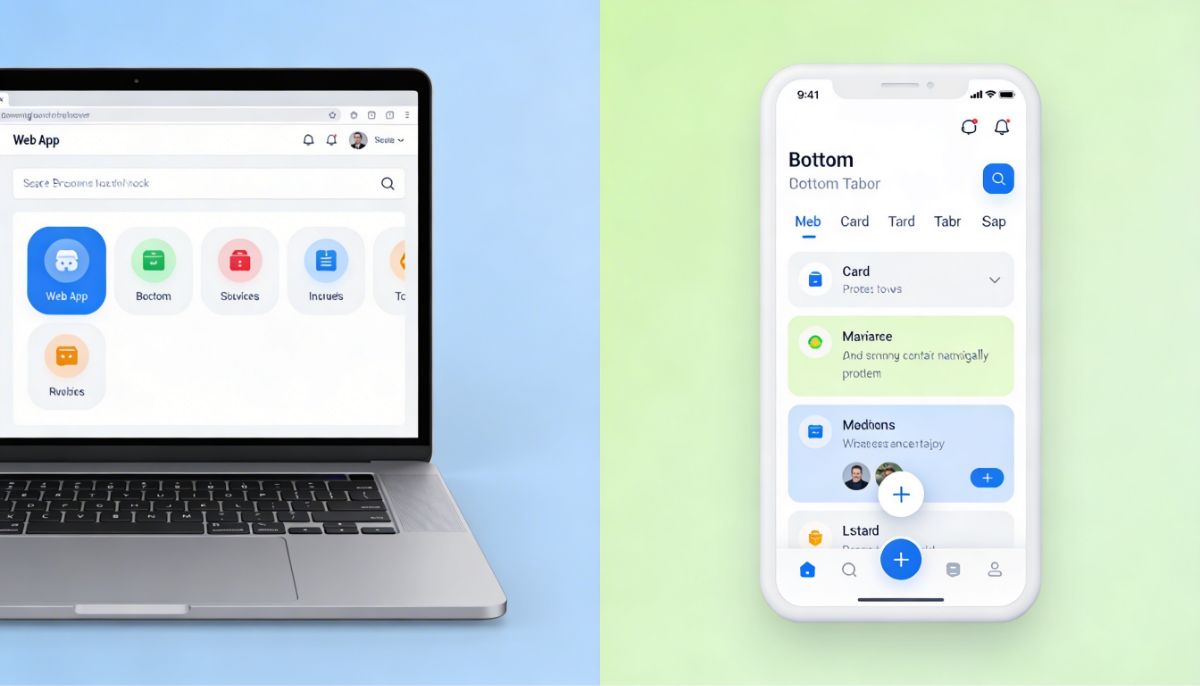
عند بناء حضور رقمي، يُعدّ اختيار تطبيق الويب أو تطبيق الهاتف المحمول من أهم القرارات التي يواجهها صاحب العمل. فرغم تشابه أغراضهما، إلا أنهما يختلفان اختلافًا جوهريًا في التقنية المستخدمة، وتجربة المستخدم، والقيمة الاستراتيجية.
قد يؤدي اختيار التطبيق الخاطئ إلى إهدار الوقت والميزانية، وضعف العائد على الاستثمار. سيوضح هذا الدليل الفروقات الرئيسية لمساعدتك على اتخاذ قرار مدروس يتوافق مع أهداف عملك.
ما هو تطبيق الويب؟
تطبيق الويب هو برنامج يعمل ضمن متصفح الإنترنت. على عكس تطبيقات سطح المكتب التقليدية، لا يتطلب تنزيله أو تثبيته على جهاز المستخدم. يصل المستخدمون إليه عبر رابط URL، ويعمل على أي جهاز (حاسوب مكتبي، جهاز لوحي، هاتف محمول) متصل بالإنترنت ولديه متصفح. تُستخدم تقنيات مثل Next.js وLaravel عادةً لبناء تطبيقات ويب قوية وعصرية.
مزايا تطبيقات الويب:
سهولة الوصول والانتشار: تطبيق الويب متاح للجميع. يمكن لأي شخص لديه متصفح استخدامه، مما يعني أن منتجًا واحدًا يمكنه الوصول إلى جمهور واسع. لا توجد عملية موافقة على متجر التطبيقات، والتحديثات فورية لجميع المستخدمين.
تكلفة تطوير أقل: غالبًا ما يكون بناء تطبيق ويب واحد يعمل على جميع الأجهزة أكثر فعالية من حيث التكلفة من تطوير تطبيقات أصلية منفصلة لأنظمة iOS وAndroid.
إمكانات تحسين محركات البحث: نظرًا لأنها مواقع ويب في الأساس، يمكن تحسين تطبيقات الويب لمحركات البحث، مما يسمح لك بجذب الزيارات العضوية ومستخدمين جدد من خلال البحث.
صيانة أسهل: مع قاعدة بيانات واحدة، تتم مركزة وتحديثات الميزات وتبسيطها.
عيوب تطبيقات الويب:
وظائف محدودة دون اتصال بالإنترنت: على الرغم من أن بعض تطبيقات الويب (تطبيقات الويب التقدمية أو PWAs) تتمتع بإمكانيات العمل دون اتصال بالإنترنت، إلا أنها تعتمد بشكل عام على اتصال بالإنترنت لتعمل بكامل طاقتها.
الاعتماد على المتصفح: قد يختلف الأداء وتجربة المستخدم باختلاف المتصفح المستخدم. كما أنها مقيدة بما يمكن للمتصفح فعله، مما يحد من الوصول إلى الميزات الأصلية للجهاز مثل نظام تحديد المواقع العالمي (GPS) أو الكاميرا أو الإشعارات الفورية (بدون PWA).
ما هو تطبيق الجوال؟
تطبيق الهاتف المحمول هو برنامج مصمم للعمل على نظام تشغيل محدد، مثل iOS أو Android. هذه هي التطبيقات التي يمكنك تنزيلها من متجر تطبيقات Apple أو متجر Google Play. وهي مصممة للاستفادة القصوى من إمكانيات الجهاز، سواءً من حيث المكونات المادية أو البرمجية.
مزايا تطبيقات الهاتف المحمول:
أداء فائق: تُصمم تطبيقات الهاتف المحمول الأصلية خصيصًا لنظام تشغيل الجهاز، مما يجعلها أسرع وأكثر استجابة وقوة من تطبيقات الويب.
الوصول إلى الميزات الأصلية: يمكن لتطبيقات الهاتف المحمول الوصول مباشرةً إلى ميزات الجهاز مثل الكاميرا والميكروفون ونظام تحديد المواقع العالمي (GPS) وجهات الاتصال والماسحات الضوئية البيومترية (بصمة الوجه/بصمة الإصبع)، مما يوفر تجربة مستخدم أكثر ثراءً.
العمل دون اتصال بالإنترنت: يمكن لمعظم تطبيقات الهاتف المحمول العمل مع أو بدون اتصال بالإنترنت، مما يجعلها مثالية للمستخدمين كثيري التنقل.
زيادة تفاعل المستخدم: تساهم إمكانية إرسال الإشعارات الفورية والتواجد الدائم على الشاشة الرئيسية للمستخدم في زيادة تفاعله واستمراريته.
عيوب تطبيقات الجوال:
ارتفاع تكلفة ووقت التطوير: يتطلب بناء تطبيق أصلي لكل من نظامي iOS وAndroid فريقين تطوير منفصلين وقواعد بيانات منفصلة، مما يزيد التكلفة ووقت التطوير بشكل ملحوظ.
صعوبة التثبيت: يجب على المستخدمين تنزيل التطبيق وتثبيته من متجر التطبيقات، وهو ما قد يمثل عائقًا للمستخدمين العاديين.
موافقات متجر التطبيقات: يجب أن يحصل تطبيقك على موافقة Apple وGoogle، كما تخضع التحديثات لعملية موافقة، مما قد يؤخر إصدارها.
الخلاصة: كيفية الاختيار
يعتمد الاختيار الأمثل على احتياجات عملك المحددة وجمهورك المستهدف. إليك طريقة بسيطة لاتخاذ القرار:
اختر تطبيق ويب إذا:
كنت بحاجة إلى إطلاق التطبيق بسرعة وبميزانية محدودة.
كان هدفك الأساسي الوصول إلى أكبر شريحة ممكنة من الجمهور.
كنت ترغب في أن يتمكن المستخدمون من الوصول إلى خدمتك على أي جهاز دون الحاجة إلى تنزيل.
كان تطبيقك لا يتطلب الوصول إلى ميزات الجهاز الأصلية.
اختر تطبيق جوال إذا:
كنت ترغب في توفير تجربة مستخدم غنية وتفاعلية وشخصية للغاية.
اختر تطبيق جوال إذا:
كنت ترغب في تقديم تجربة مستخدم غنية وتفاعلية وشخصية للغاية. يحتاج تطبيقك إلى الوصول إلى الميزات الأساسية للجهاز (الكاميرا، نظام تحديد المواقع العالمي، إلخ).
تخطط لاستخدام الإشعارات الفورية لزيادة تفاعل المستخدمين.
جمهورك متفاعل للغاية بالفعل ومستعد لتنزيل التطبيق.
الخبر السار هو أن هذين الأمرين ليسا متناقضين. فالعديد من الشركات الناجحة، مثل إنستغرام وفيسبوك، لديها تطبيق ويب للوصول إلى جمهور واسع، وتطبيق جوال لتجربة تفاعلية مميزة. يكمن السر في البدء بفهم واضح لأولوياتك، ويمكننا مساعدتك في بناء الحل الأمثل الذي يتناسب مع رؤيتك.
مقالات ذات صلة

رحلة التحول إلى الحوسبة بلا خوادم: لماذا يجب على شركتك التفكير في نموذج "الوظيفة كخدمة"
لماذا يُعدّ تصميم تجربة المستخدم/واجهة المستخدم القوي أمرًا بالغ الأهمية لنجاح التطبيق؟

أضف تعليقًا
لا توجد تعليقات بعد
كن أول من يشارك أفكاره حول هذا المقال